
WasteProof
Know where materials go. Before and after disposal.
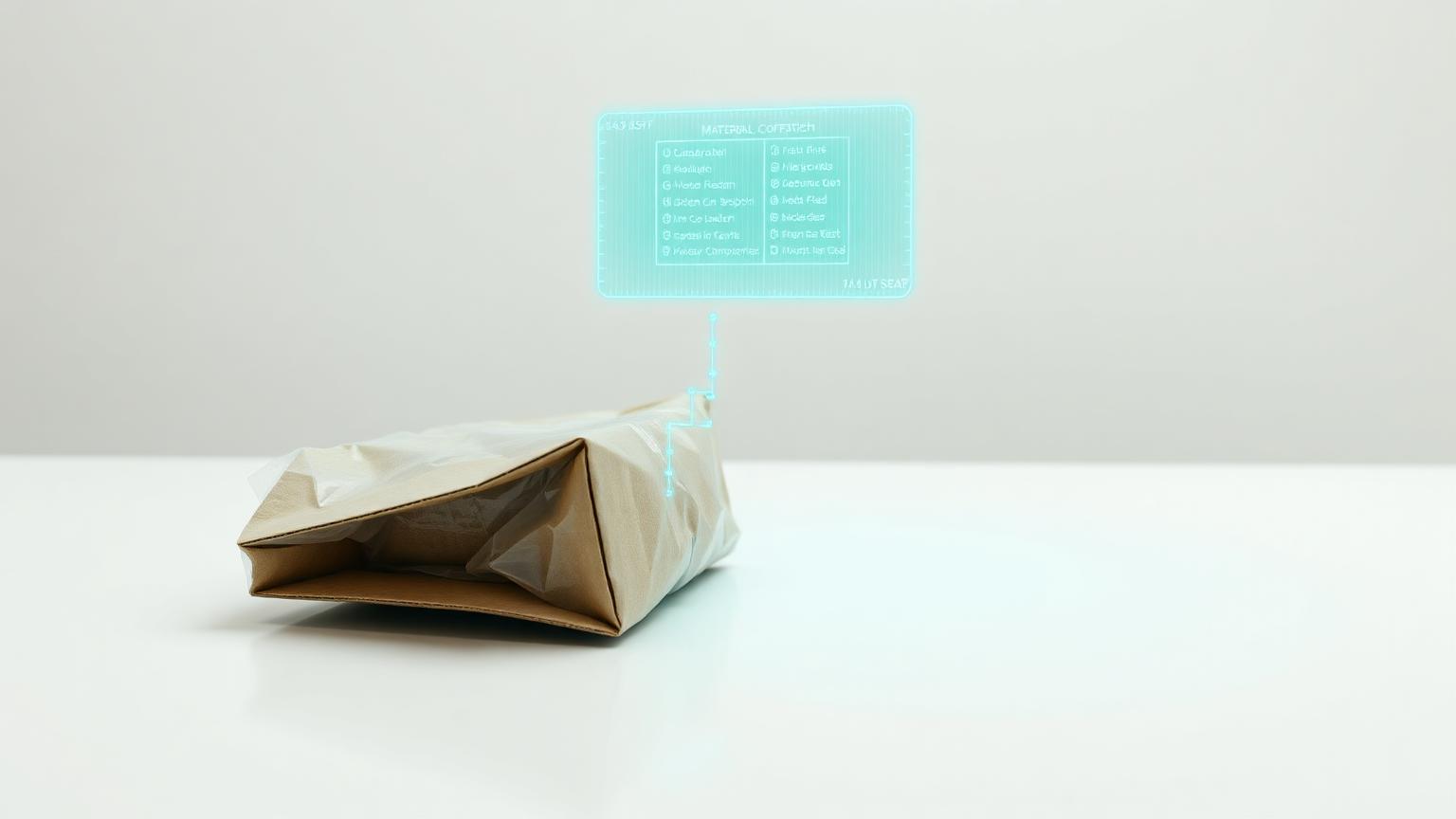

Material intelligence for the moment of disposal.
PrototypeThe problem
Businesses and households make disposal decisions every day, but information is fragmented, local rules differ, and once something leaves a property it often disappears from view. That creates contamination, unnecessary cost and very little transparency.
Why it matters
Most disposal decisions are made in three seconds with no information. Businesses then have to prove what happened afterwards, and usually can't.
What we built
WasteProof is a camera-first material intelligence platform. Photograph an item, scan a barcode or search by name to receive practical guidance based on local rules. Then go further with evidence trails, material destinations, business workflows, education and transparency tools that help people understand not only what to do, but what happened afterwards. WasteProof doesn't just tell you which bin to use — it helps people and businesses understand the entire journey of a material.
Where it is now
Public prototype. Consumer scanning, business workflows, educational content and material evidence are in active development.
Stage
Disciplines
Looking for
- Waste operators
- Local authorities
- Packaging designers
- Anyone holding disposal evidence
Latest progress
Now
Public prototype: identify a material, get the best next destination.
Next
The after: proving where a material actually went once it left.
Questions it answers
- What is this?
- What should happen to it?
- Where did it go?
- Can it be reused?
- Can it be sold?
Who it's for
Components
Research question
“What if every object knew where it belonged?”
Why this matters
Disposal is decided in about three seconds with almost no information, and nobody can prove what happened afterwards.
Current progress
Prototype — public tool live, no operator data loop yet.
Workflow
Prototype
Public prototype: identify a material, get the best next destination.
How it could work
Problem
Nobody knows what a material is, so nobody knows where it should go.
Current world
A guess at the bin, a symbol nobody reads, and no record afterwards.
Quinn Labs idea
Identify the material, name the best destination, and keep the evidence of the journey.
Potential future
Packaging designed backwards from what actually happens to it.
Research board
Three seconds
That is the entire decision window. Any interface longer than that fails.
Bin-side scan
Hand, phone, item, answer. No account, no login, no app store.
Material passports
Useful in construction. Untested at the scale of a takeaway lid.
Open questions
The after
Can anyone prove where a material went once it left the site?
Future possibilities
Research directions only. None of these exist, and some never will.
Questions we're asking
- What is this made of?
- Where should it actually go?
- Can we prove where it went?
Potential collaborators
Related projects
Research
Furniture DNA
A digital assembly layer for physical objects.
Research
Project Lumen
The guest understanding platform.
Research
Project Reserve
A resilience layer for when payments stop.
Research
Project Chronicle
A living record of a professional life.
Research
Project AutoDock
Making EV charging disappear.
We prototype possibilities. Not every question has an answer. Every answer begins with a question.
Similar problem in your business?
Tell us what you're trying to solve. We'll say whether it's worth building.
Start a project