
Furniture DNA
Can furniture explain itself?
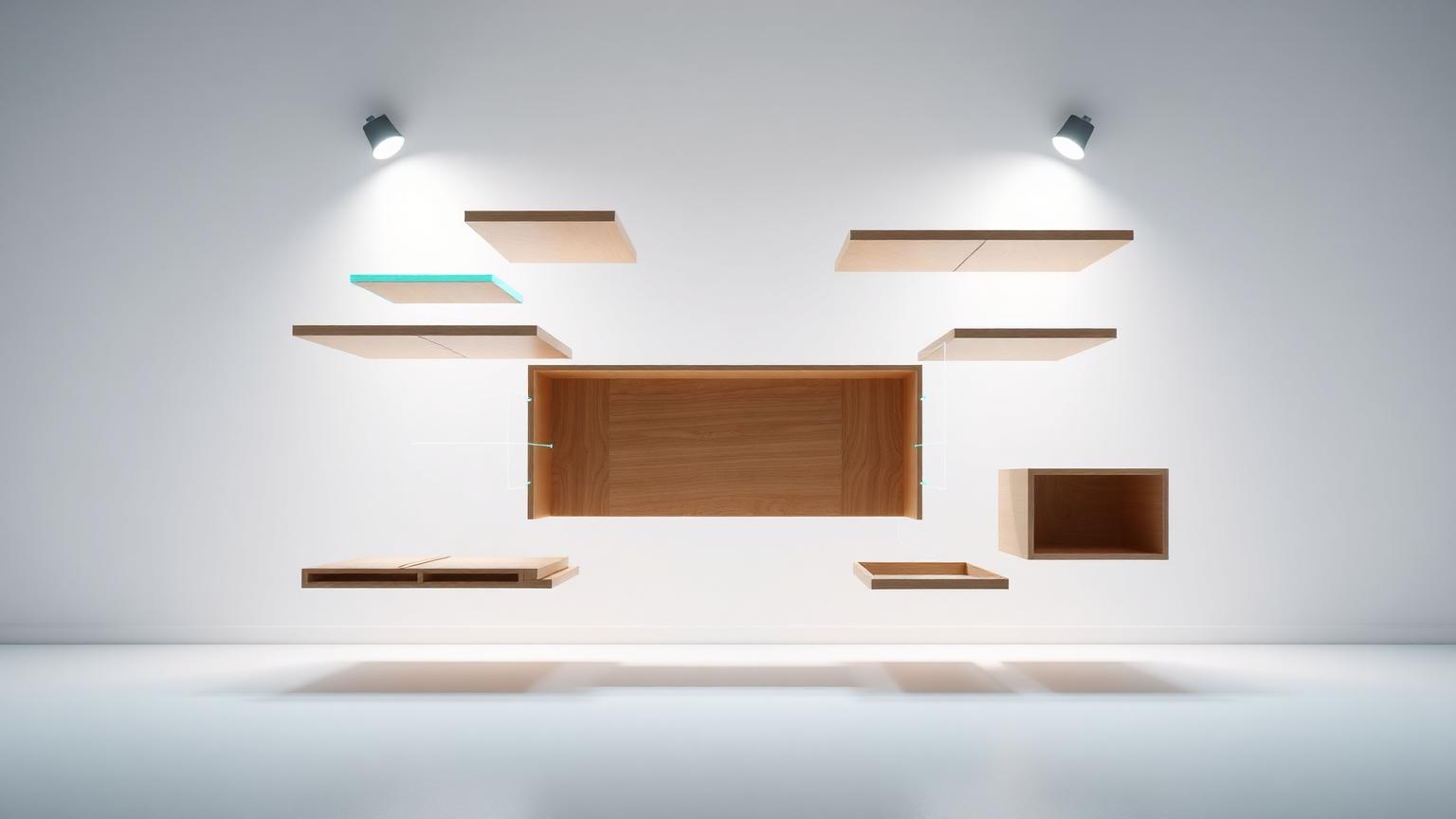

A digital assembly layer for physical objects.
ResearchThe problem
Flat-pack furniture is built from paper instructions that are easy to misread, easy to lose and impossible to query. A missing part is often discovered halfway through assembly. Repairs, moves and resale depend on memory, and at end of life most furniture is discarded because nobody knows how to take it apart.
Why it matters
Furniture is one of the most common physical products people assemble, yet the information needed to do it well is trapped in static manuals and human memory. If a product could explain itself, assembly mistakes, support calls, returns and early disposal would all fall.
What we built
Furniture DNA is a universal digital assembly layer that helps anyone build, repair, move and recycle flat-pack furniture. It doesn't replace manufacturers. It works with them. The long-term vision is that every panel, fixing and component has a digital identity, making assembly simpler, reducing mistakes and extending the life of furniture.
Where it is now
Prototype research. We're exploring computer vision, QR and NFC part identification, and interactive instructions. Nothing is shipped.
Stage
Disciplines
Looking for
- Furniture manufacturers
- Flat-pack designers
- Universities researching manufacturing and design
- Sustainability organisations
Latest progress
Now
Researching computer vision, QR/NFC identification and interactive instruction formats.
Next
A small prototype that guides one real flat-pack assembly from parts to finished piece.
Research questions
- Can computer vision recognise furniture parts?
- Can QR codes or NFC tags identify individual panels?
- Can assembly instructions become interactive instead of static paper manuals?
- Can missing parts be detected before assembly begins?
- Can disassembly be as easy as assembly?
- Can every piece of furniture have a digital passport?
Potential benefits
Future concepts
Research only. These are not existing features.
Potential collaborators
Company names are shown only as examples of organisations that could benefit from this technology. There is no current partnership or endorsement.
Components
Principle
“The best instruction manual is the product itself.”
Research question
“Can furniture explain how to assemble itself?”
Why this matters
A lost instruction sheet or a missing fixing turns a repairable object into landfill. The object carries no knowledge of itself.
Current progress
Research — no prototype yet, seeking a manufacturer.
Workflow
Research
Assembly, repair and disposal all fail for the same reason: the object carries no knowledge.
How it could work
Problem
A missing instruction sheet turns a repairable object into landfill.
Current world
Paper diagrams, lost fixings, no parts list, no material information.
Quinn Labs idea
A digital assembly layer attached to the object itself — parts, steps, repairs, materials.
Potential future
Second-hand furniture that arrives knowing its own history.
Research board
No batteries
Anything requiring power inside furniture is the wrong answer.
Marked edge
Printed code on the hidden edge of each panel. Cheap, durable, unglamorous.
Open questions
Who pays?
The manufacturer bears the cost, the second owner gets the benefit. That has to be solved first.
Future possibilities
Research directions only. None of these exist, and some never will.
Questions we're asking
- Can a panel say what it is?
- Can repair be easier than replacement?
- Can flat-pack survive three owners?
Potential collaborators
Related projects
Research
Project Lumen
The guest understanding platform.
Research
Project Reserve
A resilience layer for when payments stop.
Research
Project Chronicle
A living record of a professional life.
Research
Project AutoDock
Making EV charging disappear.
Prototype
Project Echo
What if every machine knew what it was supposed to sound like?
We prototype possibilities. Not every question has an answer. Every answer begins with a question.
Similar problem in your business?
Tell us what you're trying to solve. We'll say whether it's worth building.
Start a project